
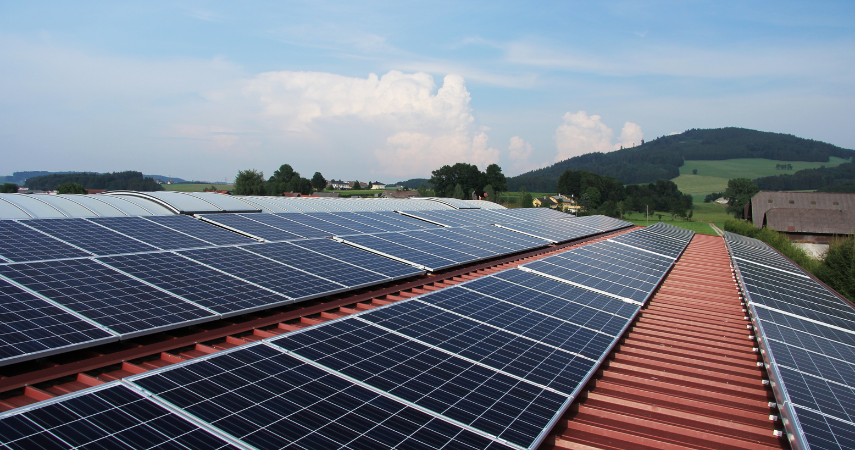
Hybrid Solar System
Hybrid solar systems produce electricity in the same way as a conventional grid-tied solar system, even when they employ special hybrid inverters and batteries to store energy for later use. Most hybrid systems have the ability to store energy, which allows them to serve as a backup power source in case of an outage. Any extra energy is kept in the batteries for usage at night or during cloud cover.
A hybrid solar system combines the best of both on-grid and off-grid solar systems. It allows you to generate solar power, store excess energy in batteries, and still remain connected to the electrical grid for backup. This system provides flexibility by switching between solar power, battery storage, and grid electricity, ensuring a continuous power supply regardless of sunlight availability or grid outages.
In simpler terms, a hybrid solar system uses solar energy during the day, stores excess energy in a battery, and pulls power from the grid when necessary.
Key Components of a Hybrid Solar System
- Solar Panels: These capture sunlight and convert it into electricity.
- Hybrid Inverter: This device manages the flow of electricity between the solar panels, batteries, and the grid.
- Battery Storage: The battery stores any excess solar energy produced during the day for use during nighttime or cloudy conditions.
- Grid Connection: The system remains connected to the grid, allowing users to draw power if the solar panels and battery cannot meet the demand.
Benefits of a Hybrid Solar System
- Energy Independence Hybrid systems offer greater energy independence by reducing reliance on the electrical grid. With solar panels generating electricity and batteries storing excess energy, you can significantly reduce grid dependence, especially during peak hours or outages.
- Backup Power Supply One of the most significant advantages of hybrid solar systems is the ability to provide backup power during outages. If the grid fails, the stored energy in the batteries ensures an uninterrupted power supply for essential appliances like lights, fans, and refrigerators.
- Efficient Energy Usage Hybrid solar systems prioritize solar power for your daily electricity needs. When the solar energy generated exceeds your consumption, the excess is stored in batteries. This stored energy can be used during the evening or when the sun isn't shining. Once the batteries are full, additional electricity can be exported to the grid, providing a potential source of income through net metering.
- Cost Savings With a hybrid system, you can reduce your electricity bills by using solar energy during the day and battery power at night. Furthermore, during grid outages or peak hours when electricity costs are higher, you can rely on your stored energy instead of drawing expensive grid power. Over time, the system pays for itself through energy savings.
- Environmentally Friendly Hybrid solar systems allow you to maximize the use of clean, renewable energy. By reducing reliance on fossil fuels and grid electricity, you’re contributing to a reduction in greenhouse gas emissions and helping combat climate change.
- Flexibility & Scalability A hybrid solar system is highly scalable. You can start with a smaller setup and expand the number of panels or increase battery storage as your energy needs grow. This flexibility makes hybrid systems ideal for both residential and commercial properties.
Is a Hybrid Solar System Right for You?
If you're looking for a reliable and flexible energy solution that combines the best features of on-grid and off-grid solar systems, a hybrid solar system is the ideal choice. Whether you're located in an urban or rural setting, this system ensures energy independence, cost savings, and sustainability. Plus, with ongoing advancements in battery technology and decreasing costs, hybrid solar systems are becoming more affordable and accessible than ever.
Conclusion:
The hybrid solar system represents the future of renewable energy. With its ability to provide backup power, reduce electricity costs, and promote a sustainable lifestyle, it's no wonder that more homeowners and businesses are opting for this solution. As solar technology continues to evolve, hybrid systems are set to play a pivotal role in the global transition to clean energy.
By investing in a hybrid solar system today, you not only take control of your energy needs but also contribute to a greener, more sustainable future.